
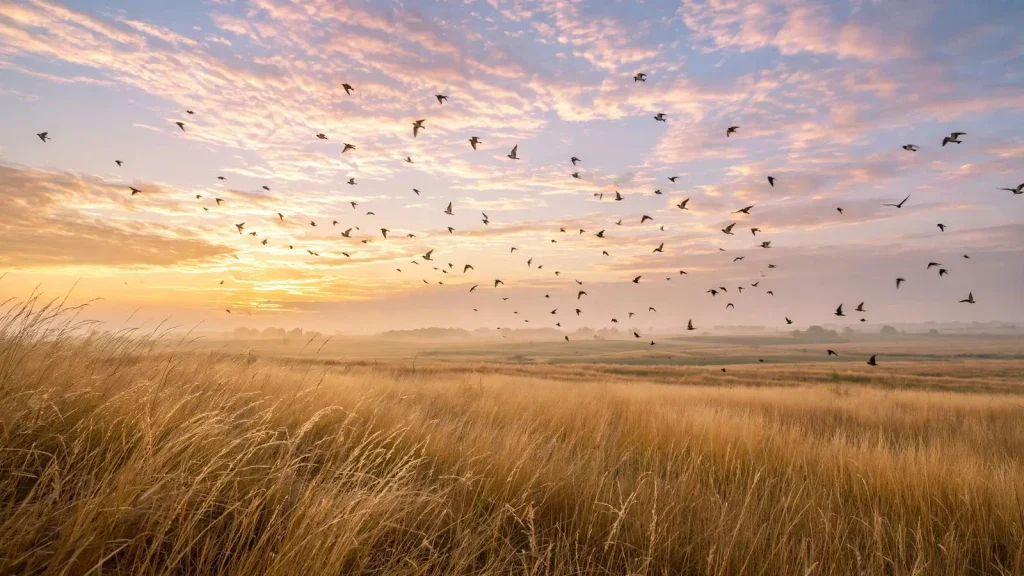
Birds are some of the most fascinating creatures in nature. They come in different shapes, sizes, and colors, and their ability to fly, sing, and build nests makes them special. But have you ever wondered what other words can be used instead of simply saying “birds”? There are plenty of interesting alternatives, from scientific terms and traditional expressions to cute, funny, and creative names.
People search for another name for birds for many reasons. Some want a different word for writing, others need a creative name for a pet bird, and some are simply curious about bird-related vocabulary. You may also be looking for a beautiful way to describe a flock of birds or a particular type of feathered animal.
In this guide, you’ll discover more than 150 alternatives, including common synonyms, poetic expressions, group names, and fun bird-inspired ideas.
What Is Another Name for Birds?
The most common alternative words for birds include fowl, feathered creatures, avians, winged creatures, and flying animals. However, each expression has a slightly different meaning. Some are scientific, while others are informal or descriptive.
Here are 15 useful alternatives:
- Avians – A general term associated with birds and the class Aves.
- Feathered Creatures – A descriptive way to refer to animals covered in feathers.
- Winged Animals – A broad expression for animals with wings.
- Fowl – A traditional word for birds, especially domesticated or game birds.
- Birdlife – Refers to the birds found in a particular place or environment.
- Feathered Friends – A warm and friendly expression for birds.
- Flying Creatures – A general description of animals that fly.
- Avifauna – A scientific term for the birdlife of a region.
- Songbirds – Birds known for their musical calls and songs.
- Wildfowl – Waterbirds and other wild birds, especially those hunted as game.
- Plumaged Creatures – A descriptive phrase highlighting their feathers.
- Airborne Animals – A broad expression for animals that travel through the air.
- Winged Wonders – A creative expression for beautiful or impressive birds.
- Feathered Animals – A simple alternative that describes their appearance.
- Aves – The scientific class that includes all living birds.
Best everyday alternatives: Avians, feathered creatures, and feathered friends are useful choices. For scientific writing, avifauna or Aves may be more suitable.
Cute and Sweet Names for Birds
Birds often have charming personalities. A small parakeet, a cheerful finch, or a colorful budgie can quickly become a beloved companion. Cute expressions are perfect for describing them in a friendly way.
Here are 15 adorable alternatives:
- Feather Babies – A sweet name for little pet birds.
- Fluffy Flyers – Perfect for birds with soft-looking feathers.
- Little Chirpers – A cute description of birds that make cheerful sounds.
- Tiny Tweeties – Ideal for small and lively birds.
- Sky Sweethearts – A lovely expression for beloved feathered friends.
- Feather Puffs – Suits round, fluffy birds.
- Little Winglets – A playful name for tiny birds.
- Chirpy Cuties – Perfect for cheerful birds.
- Pocket Flyers – A fun expression for small pet birds.
- Feather Darlings – A gentle name for adorable companions.
- Mini Songsters – Suitable for little birds with sweet voices.
- Sweet Beaks – A simple and affectionate expression.
- Fluffy Chirpers – Great for soft and vocal birds.
- Sky Sprinkles – A whimsical name for colorful little birds.
- Little Featherballs – Especially fitting for round, fluffy birds.
These expressions work well in social media captions, pet descriptions, children’s stories, and casual conversations.
Funny and Hilarious Alternatives for Birds
Birds can be surprisingly entertaining. Some repeat words, others steal food, and many have amusing ways of moving around. If you want a humorous alternative, these playful expressions can add personality to your writing.
- Feathered Comedians – For birds with funny habits.
- Sky Chickens – A silly name that gives flying birds a humorous twist.
- Winged Goofballs – Perfect for playful and mischievous birds.
- Beak Freaks – A funny expression for unusual-looking birds.
- Flap Machines – For birds that never seem to stop moving.
- Chirp Monsters – Ideal for noisy birds.
- Flying Potatoes – A humorous name for round-bodied birds.
- Feathered Clowns – For birds that make people laugh.
- Beaky Buddies – A lighthearted alternative.
- Airborne Noodles – A silly expression for long-bodied or oddly moving birds.
- Winged Troublemakers – For birds that love causing mischief.
- Tweet Machines – Perfect for birds that chirp all day.
- Fluffy Trouble – A playful description of naughty pet birds.
- Feathered Drama Queens – For birds with loud and expressive personalities.
- Flying Jokers – A fun expression for entertaining birds.
These names are informal and humorous rather than true dictionary synonyms. They are especially useful for funny captions, pet names, and creative writing.
Unique and Creative Words for Birds
If you want something more original, try using descriptive or imaginative expressions. These names can make your writing stand out without using the same common word again and again.
- Sky Dwellers – Creatures that spend much of their time in the air.
- Feathered Nomads – A creative description of migratory birds.
- Cloud Travelers – A poetic name for birds flying across the sky.
- Winged Wanderers – Perfect for birds that travel long distances.
- Aerial Artists – Highlights their graceful movements in flight.
- Sky Dancers – Suitable for birds performing impressive aerial displays.
- Feathered Explorers – A creative name for adventurous birds.
- Airborne Jewels – Perfect for colorful species.
- Nature’s Flyers – A simple but distinctive expression.
- Wind Riders – A poetic description of birds gliding through the air.
- Skybound Souls – A literary expression for birds.
- Winged Treasures – Highlights their beauty and uniqueness.
- Feathered Travelers – A suitable phrase for migratory species.
- Aerial Wonders – A broad creative description.
- The Feathered Kingdom – A collective expression for the world of birds.
These expressions work especially well in poems, nature blogs, children’s books, and descriptive writing.
Scientific and Formal Terms for Birds
If you’re writing a school assignment, research paper, wildlife article, or educational resource, you may need a more formal alternative.
The following terms are useful in scientific or educational contexts.
- Aves – The biological class containing all birds.
- Avifauna – The birds of a particular region or habitat.
- Avian Species – Scientific-style wording for bird species.
- Avian Animals – A general descriptive expression.
- Bird Taxa – Groups of birds classified according to taxonomy.
- Passerines – Perching birds belonging to the order Passeriformes.
- Raptors – Birds of prey, such as eagles, hawks, and falcons.
- Waterbirds – Birds associated with aquatic habitats.
- Waterfowl – Ducks, geese, swans, and related birds.
- Seabirds – Birds that spend much of their lives in marine environments.
- Waders – Long-legged birds that feed in shallow water or wetlands.
- Game Birds – Birds traditionally hunted for sport or food.
- Songbirds – Birds belonging to the songbird group, known scientifically as Passeri.
- Flightless Birds – Birds that cannot fly, such as ostriches and emus.
- Domesticated Fowl – Birds kept by humans, especially poultry.
Remember that these words are not all direct synonyms. For example, raptors refer only to birds of prey, while passerines represent a particular taxonomic group. Choose the term that matches the bird or group you are describing.
Beautiful and Poetic Names for Birds
Birds have inspired poets, writers, and artists for centuries. Their songs, colorful feathers, and graceful flight make them wonderful subjects for beautiful descriptions.
Here are 15 poetic expressions:
- Messengers of the Sky – A beautiful description of birds in flight.
- Songs of the Morning – Perfect for birds that sing at sunrise.
- Feathered Angels – A gentle and affectionate expression.
- Guardians of the Breeze – A poetic description of flying creatures.
- Whispers of the Wind – Suits birds gliding quietly through the air.
- Dancers of Dawn – A lovely expression for birds active in the early morning.
- Voices of Nature – Highlights the sounds birds bring to the environment.
- Jewel-Winged Beauties – Perfect for brightly colored species.
- Children of the Sky – A dreamy description of birds.
- Melodies on Wings – Especially suitable for singing birds.
- Nature’s Songwriters – A poetic reference to birdsong.
- Wings of Freedom – Symbolizes independence and liberty.
- Feathers of Heaven – A soft and imaginative expression.
- Travelers of the Horizon – Perfect for migratory birds.
- Symphony of Wings – Describes a flock moving together.
These expressions are ideal for creative writing, nature photography captions, greeting cards, and inspirational messages.
Other Names for a Group of Birds
When several birds gather together, the correct collective noun often depends on the type of bird and what the group is doing. Some collective nouns are widely used, while others are traditional or playful expressions.
Here are 15 common and interesting group terms:
- Flock – The most widely used general term for a group of birds.
- Flight – A group of birds flying together.
- Murmuration – A large, coordinated flock of starlings.
- Colony – A group of birds nesting or living together.
- Brood – A group of young birds from the same hatch.
- Clutch – A group of eggs laid together, not a group of adult birds.
- Covey – A group of quail or similar game birds.
- Gaggle – A group of geese on the ground.
- Skein – A group of geese flying in formation.
- Gaggle of Goslings – A descriptive phrase for young geese together.
- Parliament – A traditional collective noun for owls.
- Murder – A traditional collective noun for crows.
- Convocation – A traditional collective noun for eagles.
- Rookery – A nesting or breeding colony of rooks and some other birds.
- Pandemonium – A traditional collective noun sometimes used for parrots.
Quick tip: Flock is the safest general word. Murmuration, gaggle, and parliament are more specific and can make your writing more interesting.
Different Words for Birds Based on Their Appearance
Birds come in many shapes, colors, and sizes. Sometimes, describing their physical appearance is more useful than using a general synonym.
These 15 expressions can help you describe different kinds of birds.
- Feathered Beauties – Birds with attractive plumage.
- Colorful Flyers – Brightly colored birds.
- Long-Tailed Birds – Species with noticeable tail feathers.
- Crested Birds – Birds with decorative feathers on their heads.
- Water Lovers – Birds commonly found around lakes and rivers.
- Tiny Flyers – Very small bird species.
- Giant Birds – Large-bodied species such as ostriches.
- Bright-Beaked Birds – Birds with colorful or noticeable bills.
- Snow-White Birds – Birds with mostly white plumage.
- Dark-Winged Birds – Birds with dark-colored wings.
- Speckled Beauties – Birds with spotted or patterned feathers.
- Golden Flyers – A descriptive phrase for birds with golden-colored plumage.
- Graceful Gliders – Birds that glide smoothly through the air.
- Curved-Beak Birds – Birds with noticeably curved bills.
- Crested Flyers – Birds with visible head crests.
These phrases are descriptive rather than official bird classifications. Use them when you want readers to picture the bird more clearly.
Nature-Inspired Alternatives for Birds
Birds are closely connected to forests, rivers, mountains, gardens, and open skies. Nature-inspired descriptions can help create a peaceful and beautiful image.
- Forest Flyers – Birds commonly found in woodland habitats.
- Garden Singers – Birds that visit gardens and sing.
- River Travelers – Birds found along rivers and streams.
- Mountain Gliders – Birds that fly over mountain landscapes.
- Ocean Wanderers – Seabirds that travel across open water.
- Meadow Songsters – Birds living in open grasslands.
- Sunrise Singers – Birds that call during early morning.
- Woodland Wings – A creative name for forest birds.
- Sky Gardeners – A poetic expression for birds that help spread seeds.
- Wetland Wanderers – Birds found in marshes and wetlands.
- Desert Flyers – Birds adapted to dry environments.
- Island Travelers – Birds that live on or migrate between islands.
- Coastal Gliders – Birds seen flying along coastlines.
- Wildflower Visitors – Birds that visit flowering plants.
- Canopy Dwellers – Birds that spend much of their time in forest canopies.
Popular Expressions Used Instead of Birds
Some expressions are more familiar than others. If you want wording that readers will understand immediately, these options are easy to use in everyday conversations.
- Feathered Friends – Friendly and widely understandable.
- Wild Birds – Birds living outside human care.
- Flying Friends – A casual and cheerful phrase.
- Birdlife – A useful word for birds in a particular area.
- Winged Creatures – A broad descriptive term.
- Songsters – Birds known for their calls and songs.
- Backyard Visitors – Birds that visit home gardens.
- Garden Birds – Birds commonly found in gardens.
- Migratory Birds – Birds that move seasonally between regions.
- Native Birds – Birds naturally found in a particular region.
- Wildfowl – A term used for certain wild birds.
- Pet Birds – Birds kept as companions.
- Waterbirds – Birds that live in or near water.
- Feathered Companions – A warm expression for pet birds.
- Airborne Wildlife – A descriptive phrase for flying wildlife.
How to Choose the Right Alternative Word for Birds
Choosing the best word depends on your audience, writing style, and the type of bird you’re describing. A scientific article needs different vocabulary from a children’s story or a social media caption.
Here are some practical tips.
1. Understand the Meaning
Before replacing the word birds, make sure the alternative has the same meaning in your sentence.
For example, “fowl” often refers to domesticated or game birds. It is not always suitable for every wild species. Similarly, “songbirds” describes a particular group rather than all birds.
2. Consider Your Writing Style
Your choice should match the tone of your content.
- Formal writing: Avian species, Aves, avifauna.
- Casual writing: Feathered friends, flying creatures.
- Creative writing: Sky dancers, wind riders.
- Funny writing: Sky chickens, winged goofballs.
- Educational writing: Birdlife, waterbirds, songbirds.
3. Think About the Bird’s Habitat
A bird’s environment can help you choose a more descriptive expression.
For example, seabirds are associated with oceans, while waterbirds are commonly found around wetlands and lakes. Forest birds are often described by the woodland habitats they occupy.
4. Describe Their Appearance
If a bird has bright feathers, a long tail, or a distinctive crest, use those features to make your description more interesting.
A phrase like “colorful flyers” gives readers a better visual image than a general expression.
5. Use the Correct Collective Noun
If you’re describing several birds, consider whether a special group term applies.
A flock is a general choice, but a murmuration of starlings or a skein of geese adds more detail.
6. Keep Your Audience in Mind
Children may enjoy simple expressions such as little chirpers or feathered friends. Readers of wildlife articles may prefer terms such as avifauna or migratory birds.
The goal is to make your writing easy to understand.
7. Avoid Using Scientific Words Incorrectly
Words such as Aves, passerines, and raptors have specific meanings. Use them only when they accurately describe the birds in question.
A little attention to vocabulary can make your writing more accurate and professional.
FAQs About Other Names for Birds
What is the most common synonym for birds?
The most common alternatives include fowl, avians, feathered creatures, and winged animals. However, flock is a collective noun for multiple birds, not a direct synonym for an individual bird.
What is a scientific name for birds?
Birds belong to the biological class Aves. The word avian is commonly used as an adjective relating to birds, while avifauna refers to the birdlife of a particular region.
What is a fancy word for birds?
Avians and avifauna are more formal alternatives. For creative writing, expressions such as winged wonders, sky dancers, and feathered travelers can add a poetic touch.
What is another word for a flock of birds?
A flock is the most common general term. Other words include murmuration for starlings, gaggle for geese on the ground, skein for geese in flight, and colony for groups of nesting birds.
What is a cute way to call birds?
Cute expressions include feathered friends, little chirpers, tiny tweeties, fluffy flyers, and sweet beaks. These are informal descriptions that work well for pets, children, and casual writing.
Are fowl and birds the same thing?
Fowl is a type of bird-related term, but the two words are not always interchangeable. Fowl often refers to domestic birds, such as chickens and turkeys, or game birds. The word birds covers a much wider range of species.
What is another name for flying animals?
Winged creatures and airborne animals are broad alternatives. However, not all winged animals are birds. Bats and many insects also have wings, so feathered creatures is more precise when you specifically mean birds.
What do you call birds that sing?
Birds known for their musical calls are commonly called songbirds or songsters. Many songbirds belong to the group Passeri, within the order Passeriformes.
Conclusion
There are many interesting ways to describe birds, depending on the meaning and tone you want. Words such as avians, fowl, and feathered creatures work as general alternatives, while expressions like sky dancers and winged wonders add creativity to your writing.
If you’re writing an educational article, choose accurate scientific terms. For casual conversations, feathered friends or flying creatures are easy to understand. You can also use special collective nouns such as flock, murmuration, and gaggle when describing groups.
The best alternative is one that fits your sentence, makes your meaning clear, and helps readers appreciate these fascinating feathered animals.

Hi, I’m Naqash Ayub, the creator of NameStoryHub.com. I love exploring the meanings, origins, and stories behind names, helping readers discover unique and meaningful ideas for every occasion.